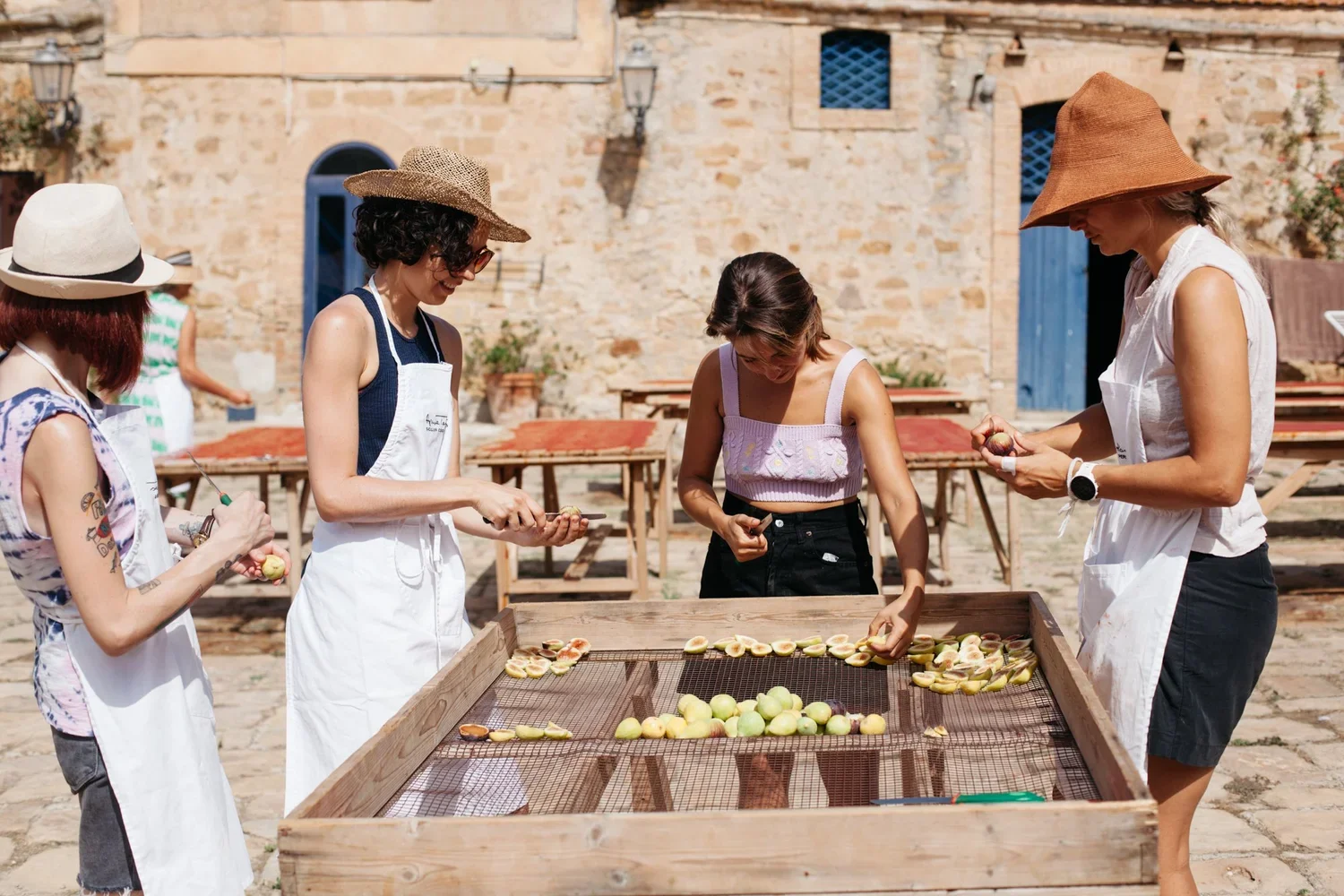
On flavor, memory, and the slow work of keeping a place alive.
A conversation with Fabrizia Lanza
The back-to-the-land movement in the United States began in the 1970s—nonprofits, farmers, communities a
There is a photograph Fabrizia Lanza showed me from her mother’s archive. Anna Tasca Lanza stands at the center, surrounded by American women—Mary Taylor Simeti, Faith Willinger, Ann Yonkers, her editor Susan Deretsky. All of them laughing. It is, Fabrizia says, a picture of liberation.
The back-to-the-land movement in the United States began in the 1970s—nonprofits, farmers, communities asking foundational questions about food systems.
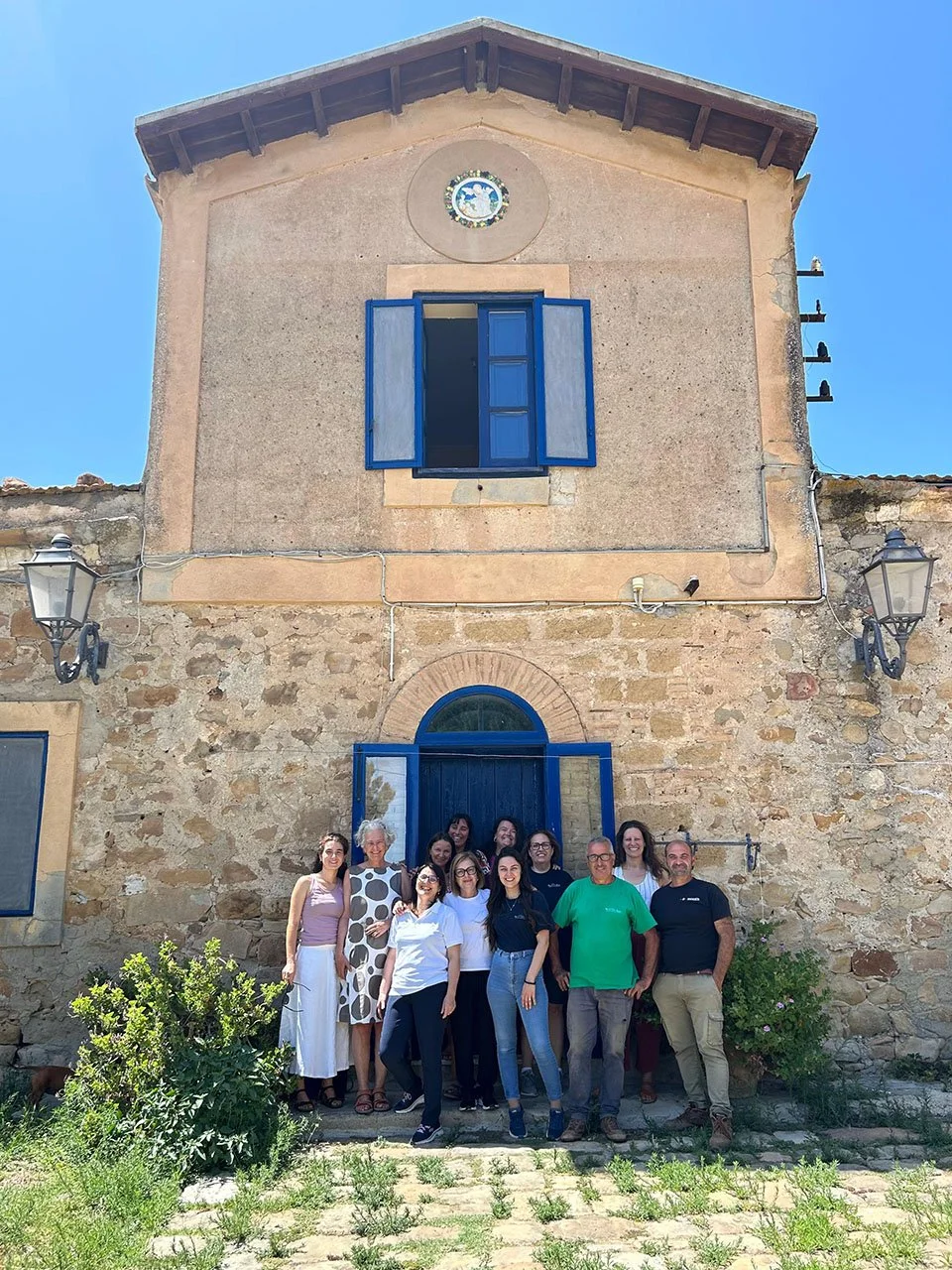
“It confirmed what I had perceived when I started looking into my mother and her work. How liberating it was for her to be here. To be with other women. Lots of fun. Lots of projects, ideas.”
Anna was in her fifties when she founded the cooking school at Regaleali in 1989. In Italy, a woman of her generation whose beauty and success were beginning to recede into the background. In America, she found women who met her with equal energy, equal curiosity, equal appetite for what food could mean. She responded to that. The school grew into one of the most respected culinary institutions in Europe.
Over thirty-five years the school has drawn some of the most thoughtful voices in food and culture—not as visiting celebrities but as collaborators. Rachel Roddy taught the language of food. Natasha Pickowicz workshopped the recipes from her book More Than Cake. Emiko Davies used harvest seasons to frame her workshops. Annemarie O’Sullivan and Tom McWalter wove and feasted. Each brought their own curiosity to a place that has always known how to meet it.
I met Fabrizia at the Glynwood Center for Regional Food and Farming in the Hudson Valley, and before we ever got to Sicily, we spent a long time talking about The United States.
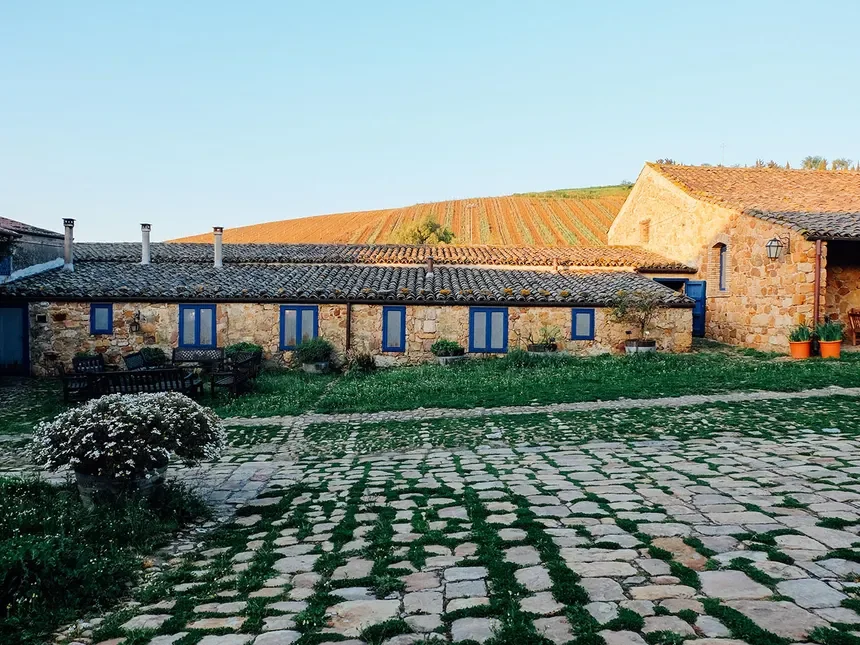
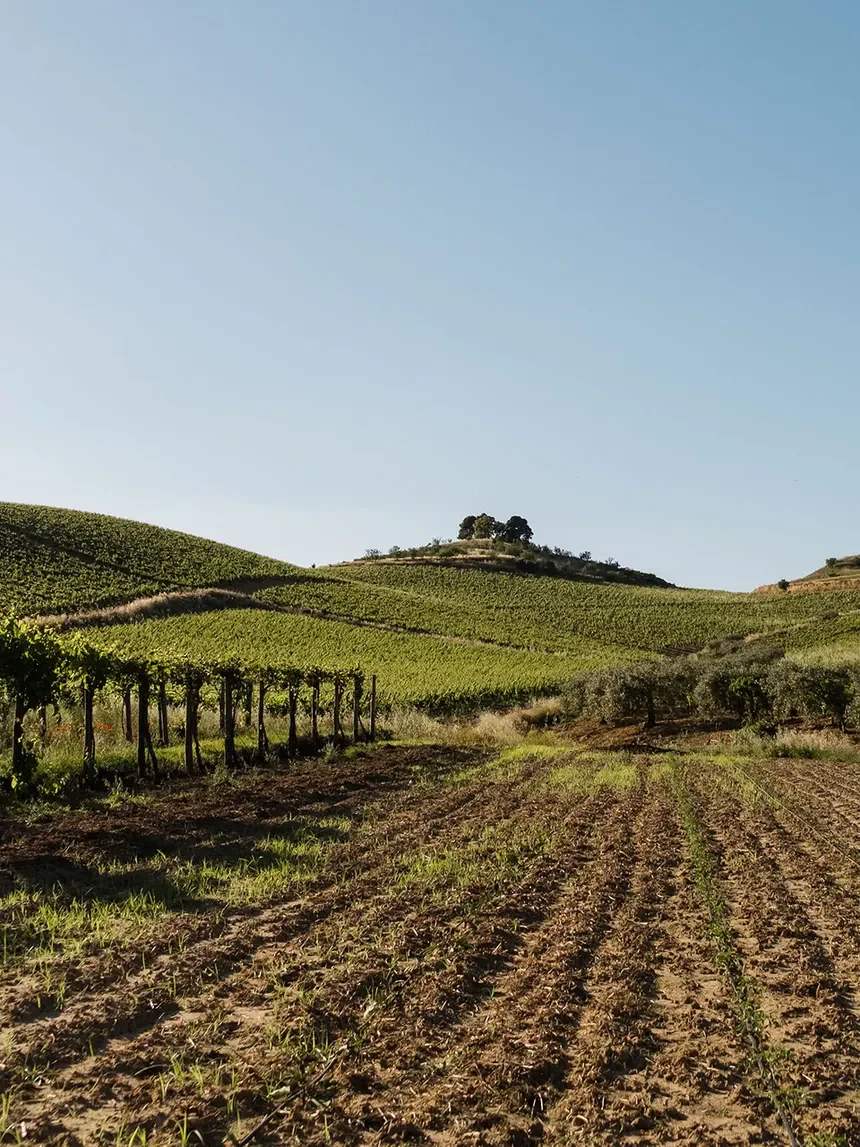
Fabrizia spent twenty-five years away from all of it—working as an art historian, curator, and museum director in northern Italy. She returned to Sicily in 2006, took over the school in 2010, and has been running it ever since, from the same centuries-old estate in the Sicilian interior, remote enough that her team rarely stays longer than three years.
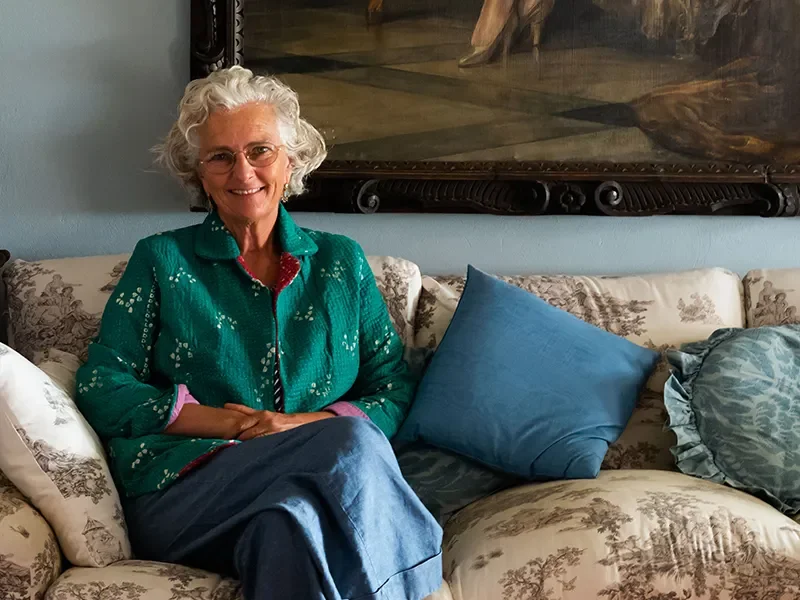
She has been traveling here for twenty years, her mother before her. It has always been, she says, productive in ways that Europe simply isn’t. Ideas. Inspirations. Connections. The enthusiasm! When I asked why, she didn’t hesitate. “Millions of years on our shoulders.”
We’re the teenagers, I offered. Curious and hopeful.
“The ethos that the United States is based on—although today it’s a bit shaky—is we can do it. You try. You do it. You hope and you make it happen. There’s this connection between your hopes, your dreams, and the action. Which we don’t have.” She was careful to say one is not better than the other. Europeans who visit her school fall deeply in love with it. But they arrive differently. Without the initial curiosity. Without the readiness to question what they already know. “A lot of Italians and French don’t see why they should learn something about food,” she said, “because they’re not aware of how much we’re losing.”
The back-to-the-land movement in the United States began in the 1970s—nonprofits, farmers, communities asking foundational questions about food systems. In Italy in the 1970s, everyone was still on Vespas. “Italy has started really looking into globalization since 2000,” Fabrizia noted. “That’s only twenty years.”
What strikes me about this observation is where it leads. The American curiosity that her mother first tapped into—that appetite for story, for knowledge, for connection to a place you didn’t grow up in—is not naivety. It is a particular kind of hunger. And in the right hands, that hunger becomes the mechanism through which old knowledge finds new life. The school has been working this equation for thirty-five years. Americans arrive not knowing what they don’t know. They peel tomatoes. They taste things they’ve never tasted. They carry something home.
One of the most liberating ideas Fabrizia offered is that “tradition is the illusion of permanence”—a sentiment that echoes Woody Allen’s observation. By reframing our established norms not as immutable laws but as temporary constructs, we unlock the freedom to reimagine what comes next.
Too often we treat heritage as something static—a museum piece preserved under glass. But Fabrizia, who spent decades working in actual museums, argues that food traditions are living, evolving systems. She isn’t afraid of reinvention. If a chef creates a tortellini with a new filling, that doesn’t dilute history as long as the work is honest. “If it’s good, it’s good. And if the creator does hard work on it, I respect that.” She will not forgive carelessness—disconnection from source and intention. “Things need to make sense and stand on their own feet. You can easily detect when they don’t.”
This is a vital distinction for anyone in hospitality or design. We aren’t here to replicate the past exactly. We’re here to understand the intent of the past and allow it to breathe in the present. The soul of a practice is not in its exact form but in the relationship between people and place that produced it.
She has been traveling here for twenty years, her mother before her. It has always been, she says, productive in ways that Europe simply isn’t. Ideas. Inspirations. Connections. The enthusiasm! When I asked why, she didn’t hesitate. “Millions of years on our shoulders.”
We’re the teenagers, I offered. Curious and hopeful.
“The ethos that the United States is based on—although today it’s a bit shaky—is we can do it. You try. You do it. You hope and you make it happen. There’s this connection between your hopes, your dreams, and the action. Which we don’t have.” She was careful to say one is not better than the other. Europeans who visit her school fall deeply in love with it. But they arrive differently. Without the initial curiosity. Without the readiness to question what they already know. “A lot of Italians and French don’t see why they should learn something about food,” she said, “because they’re not aware of how much we’re losing.”
The back-to-the-land movement in the United States began in the 1970s—nonprofits, farmers, communities asking foundational questions about food systems. In Italy in the 1970s, everyone was still on Vespas. “Italy has started really looking into globalization since 2000,” Fabrizia noted. “That’s only twenty years.”
What strikes me about this observation is where it leads. The American curiosity that her mother first tapped into—that appetite for story, for knowledge, for connection to a place you didn’t grow up in—is not naivety. It is a particular kind of hunger. And in the right hands, that hunger becomes the mechanism through which old knowledge finds new life. The school has been working this equation for thirty-five years. Americans arrive not knowing what they don’t know. They peel tomatoes. They taste things they’ve never tasted. They carry something home.
One of the most liberating ideas Fabrizia offered is that “tradition is the illusion of permanence”—a sentiment that echoes Woody Allen’s observation. By reframing our established norms not as immutable laws but as temporary constructs, we unlock the freedom to reimagine what comes next.
Too often we treat heritage as something static—a museum piece preserved under glass. But Fabrizia, who spent decades working in actual museums, argues that food traditions are living, evolving systems. She isn’t afraid of reinvention. If a chef creates a tortellini with a new filling, that doesn’t dilute history as long as the work is honest. “If it’s good, it’s good. And if the creator does hard work on it, I respect that.” She will not forgive carelessness—disconnection from source and intention. “Things need to make sense and stand on their own feet. You can easily detect when they don’t.”
This is a vital distinction for anyone in hospitality or design. We aren’t here to replicate the past exactly. We’re here to understand the intent of the past and allow it to breathe in the present. The soul of a practice is not in its exact form but in the relationship between people and place that produced it.