WHY LAND LEADS
The philosophy behind
land—and craft—as brand architecture.
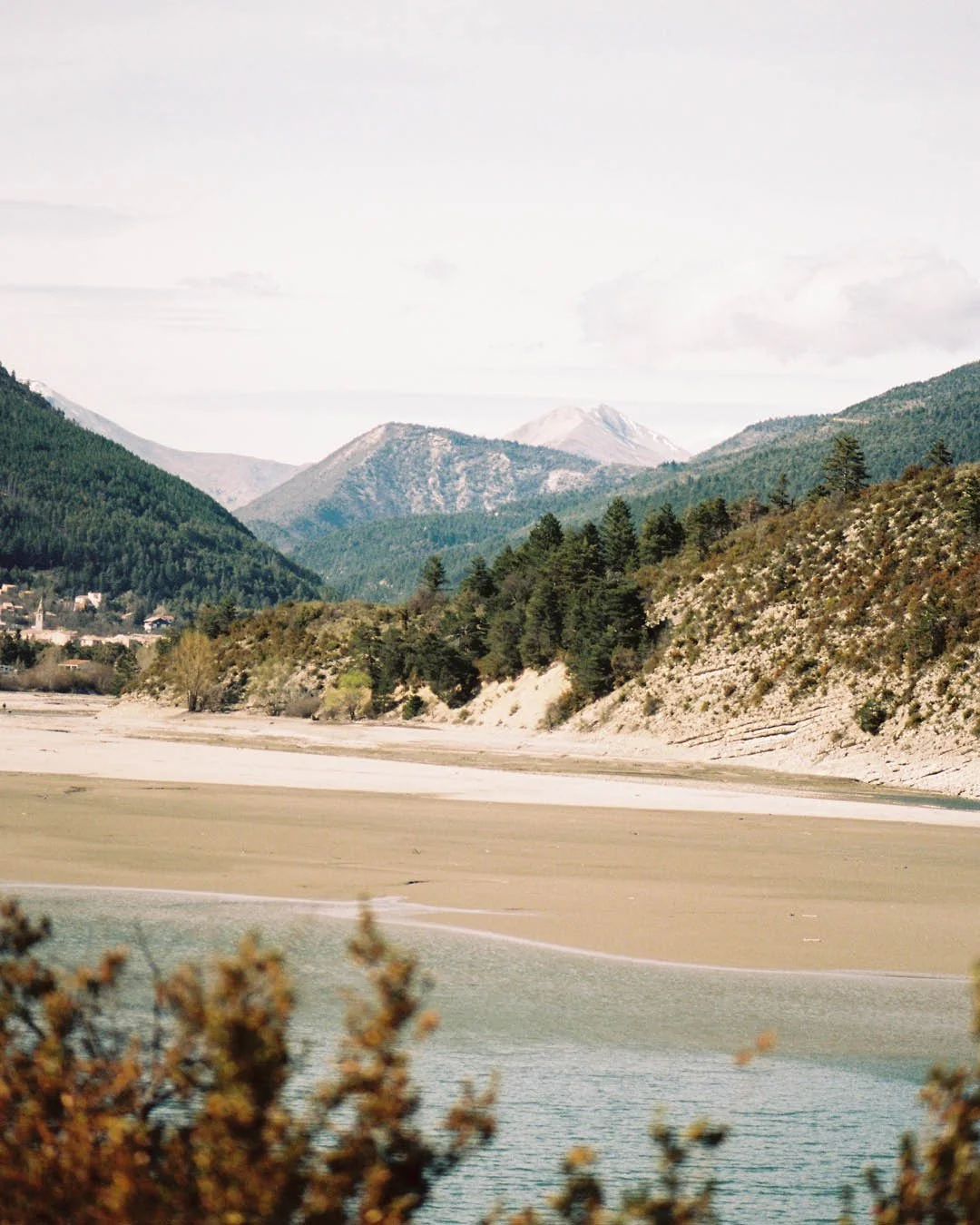
The land shapes the food. The climate shapes the architecture. The seasons shape the rhythm of the stay, or the harvest, or the collection, or the release. In a workshop, the same force is at work: the loom shapes the textile, the kiln shapes the faience, the hands passed the technique down before there was a brand to name it. The local ecosystem—of land, or of craft—becomes the identity of the place.
The character and flavor of a place isn’t transferable—that’s not a slogan, it’s the entire argument.
This is older than hospitality as an industry, older than the maison as a business. It’s how farms fed communities, how villages built inns, how coastlines determined what appeared on the table. It’s how a weaving house outlasts three centuries by refusing to weave anything but what its archives prove it always has. What’s new is that people are asking for it again—and the most remarkable independent properties, and the oldest surviving maisons, are the ones who never stopped.
The market is catching up. Condé Nast Traveler named land-led hospitality one of the defining directions of 2026. Booking.com found that 69% of travelers want to leave places better than they found them. Experiences with deeper emotional texture—provenance, context, a genuine relationship to place are gaining weight faster than any amenity category.
But the deeper shift isn’t about travel preferences, or about craft for its own sake—it’s about what luxury even means in a world that’s always on, where access is no longer the scarce thing, and disconnection has become the real prize. Increasingly, land—and the slow, human labor of making something by hand—is where people go to find that disconnection. The properties and the maisons that understand this aren’t selling an escape so much as offering a return.
The forces that shape a land-led brand—whether it’s rooted in soil or in savoir-faire:
-
The geology beneath a property isn’t background—it’s biography. Galestro schist in Chianti. Limestone bedrock in the Catskills. The mineral complexity of a valley floor. Soil determines what grows, what tastes like what, and why a glass of water from one place is unlike any other. It’s the first chapter of every property’s story.
-
Microclimate is competitive advantage. The prevailing wind that determines where the kitchen garden grows. The altitude that decides when wildflowers bloom. The fog that rolls in before breakfast and shapes how a morning feels. These aren’t amenities—they’re arguments for why this place, and nowhere else.
-
The grain grower whose flour becomes your bread is as vital to a hospitality brand as any architect or designer. Land-led properties don’t source from agriculture—they’re in relationship with it. The valley dairy whose milk has been on the breakfast table for three generations. These relationships are irreplaceable. They can’t be invented by a competitor.
-
Heritage protections, protected designations, and centuries-old land classifications aren’t bureaucratic constraints—they’re proof of place. France’s vineyard classifications. Italy’s DOP designations. Switzerland’s AOP cheeses. Living among these systems teaches something: a property’s competitive advantage is written into its landscape long before anyone designs a logo.
-
Land-led properties live in chapters. Snowfall and bloom. Arrival and rest. The shoulder season that rewards guests who know when to come. Seasonality is a narrative system. Properties that understand their seasons build loyalty that outlasts any renovation.
-
From the chinampas of Mexico City that have fed communities for 4,000 years to the biochar kilns of the Hudson Valley turning agricultural waste into living soil—the most remarkable food systems aren’t supply chains. They’re relationships between land, knowledge, and community. When a property understands its food system, it stops serving meals and starts telling stories.
-
Conservation and hospitality aren’t in tension—they’re the same project. Water stewardship, waste reduction, local sourcing: these aren’t gestures toward sustainability, but evidence of care.
But maintenance isn’t enough. Regeneration asks what the land will look like after you’re done. Will the soil hold more carbon than when you arrived? Will the watershed run cleaner? Will the community have deeper roots, not shallower ones?
That’s the difference between operating responsibly and operating regeneratively. One protects what exists. The other leaves something better for whoever comes next.
The properties that understand this don’t measure success by occupancy rates alone. They measure the slope of the land five years from now.
-
The oldest land-led hospitality on earth belongs to communities who have tended specific landscapes for millennia. The Three Sisters gardens of the Munsee Lenape. The pre-colonial foodways Sean Sherman is recovering through Indígena by Owamni. The chinampas Pablo Usobiaga is restoring in Mexico City. El Futuro es Ancestral. The most forward-looking properties are the ones that understand what came before them.
And this extends beyond food. The Munsee Lenape also wove sweetgrass baskets that told stories of watershed health. Oaxacan potters still fire clay using techniques recorded in 16th-century codices. These aren’t decorative choices—they’re diagnostic tools. The loom remembers what the archive forgot.